
How Often Should You Groom Your Dog? A Complete Guide by Breed and Coat Type
Keeping your dog well-groomed is about much more than appearance. Regular grooming helps maintain a healthy coat, reduces shedding, prevents skin issues, and allows you to spot potential health concerns early. While every dog is unique, grooming frequency often depends on breed, coat type, and shedding patterns.
Here's a practical guide to help you understand how often your dog should be groomed.
Why Regular Grooming Matters
Professional grooming and at-home maintenance work together to keep your dog comfortable and healthy. Benefits include:
- Reduced matting and tangles
- Better skin health
- Controlled shedding
- Cleaner ears and eyes
- Proper nail maintenance
- Early detection of lumps, skin changes, or parasites
Between professional appointments, regular brushing and routine checks are essential.
Grooming Frequency by Breed
Husky
Recommended grooming: Every 8–10 weeks
Huskies have a thick double coat and are heavy seasonal shedders. They typically "blow" their coat twice a year, shedding large amounts of undercoat.
Grooming considerations:
- Professional deshedding treatments are highly recommended.
- Never shave a Husky unless specifically advised by a veterinarian.
- Thorough blow-drying after baths is essential.
- Regular brushing between grooming appointments helps control shedding.
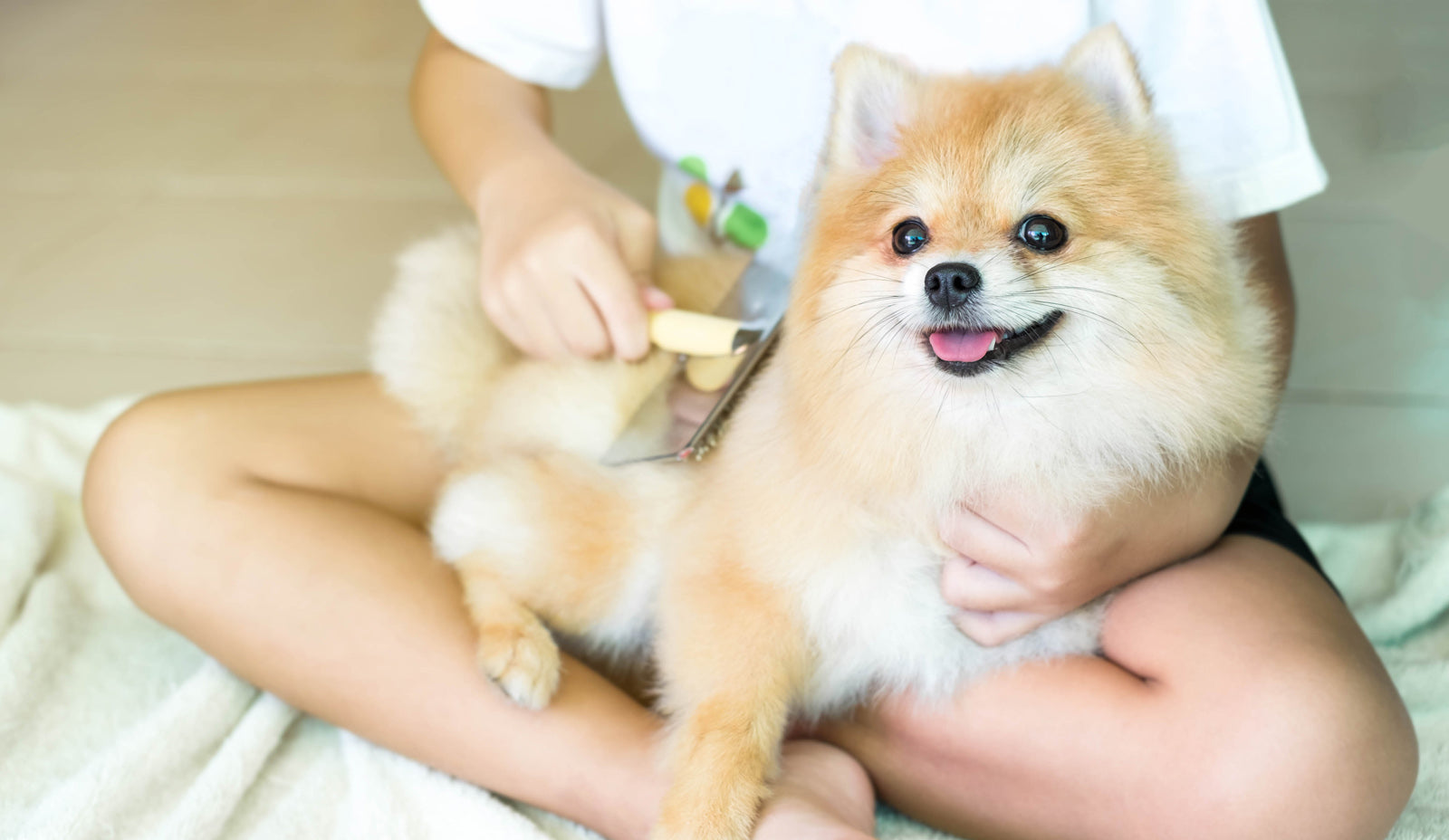
Pomeranian
Recommended grooming: Every 6 weeks
Pomeranians have a thick double coat with a dense undercoat that requires consistent maintenance.
Grooming considerations:
- Regular deshedding prevents matting and coat compaction.
- Professional trimming may be needed for popular "Pom cuts."
- Frequent brushing at home helps maintain a fluffy, tangle-free appearance.
Dachshund
Recommended grooming:
- Smooth-coated: Every 6–8 weeks
- Long-haired or wire-haired: Every 4–6 weeks
Because Dachshunds come in different coat varieties, their grooming needs vary considerably.
Grooming considerations:
- Smooth coats require minimal grooming.
- Long-haired varieties need regular brushing.
- Wire-haired Dachshunds often benefit from hand-stripping or clipping.
- Monitor skin health, as they can be prone to dry or oily skin and dandruff.
Greyhound
Recommended grooming: Every 10–12 weeks
Greyhounds have a short, fine coat that requires relatively little maintenance.
Grooming considerations:
- Focus on bathing, nail trimming, and ear cleaning.
- Their skin is sensitive despite their low-maintenance coat.
- Proper drying after baths is important.
- Regular nail care between grooming appointments is often necessary.
Bernese Mountain Dog
Recommended grooming: Every 8–10 weeks
This breed has a long, thick double coat and is one of the heavier shedders.
Grooming considerations:
- Professional deshedding is highly beneficial.
- Watch for matting behind the ears, under the collar, and in feathered areas.
- Groom more frequently during heavy seasonal shedding periods.
West Highland Terrier (Westie)
Recommended grooming: Every 6–8 weeks
Westies have a wiry double coat with relatively low shedding.
Grooming considerations:
- Traditional hand-stripping helps maintain coat texture and colour.
- Clipping is common but may soften the coat over time.
- White coats show dirt easily, making regular bathing important.
- Gentle, natural shampoos are ideal for dogs with sensitive skin.
Schnauzer
Recommended grooming: Every 6–8 weeks
Schnauzers have a wiry topcoat and soft undercoat that require regular maintenance.
Grooming considerations:
- Hand-stripping preserves the natural texture of the coat.
- Clipping is a popular alternative but may alter coat texture.
- Beards and eyebrows need regular trimming.
- Facial hair should be cleaned frequently as it can trap food and moisture.
Beagle
Recommended grooming: Every 8–10 weeks
Beagles have a short, dense double coat and are moderate shedders.
Grooming considerations:
- Regular deshedding helps manage loose hair.
- Their floppy ears should be checked and cleaned routinely.
- Bathing and blow-drying help maintain coat condition.
- Nail trimming is especially important because active dogs often wear nails unevenly.
General At-Home Grooming Tips
Regardless of breed, every dog benefits from routine care between professional grooming appointments.
Brush Regularly
Frequent brushing helps:
- Prevent matting
- Reduce shedding
- Distribute natural oils throughout the coat
Check Ears, Eyes, and Nails Weekly
Look for:
- Redness or irritation
- Excess wax or discharge
- Overgrown nails
Use Quality Grooming Products
Choose shampoos and grooming products that suit your dog's coat type and skin sensitivity.
Monitor Skin and Coat Health
Contact your groomer or veterinarian if you notice:
- Dry, flaky skin
- Excessive oiliness
- Unusual lumps or bumps
- Hair loss or irritation
Every Dog Is Different
While these grooming schedules provide an excellent starting point, factors such as age, activity level, lifestyle, coat condition, and individual skin needs can affect how often your dog should be groomed. Dogs that spend more time outdoors, swim regularly, or have skin conditions may require more frequent attention.
A combination of professional grooming and consistent at-home care will help keep your dog's coat healthy, skin comfortable, and overall appearance looking its best. After all, a well-groomed dog is usually a happier, healthier dog.